
Online Piano Lessons from Woodbury, CT
Learn Piano with David Gross
“I specialize in Popular Music and Songwriting”
About Me
I have been teaching music professionally since 1978. That means I have spent nearly five decades inside lesson rooms, rehearsal studios, recording sessions, classrooms, and stages—guiding students of every age and ability toward clarity, confidence, and genuine musical fluency. Teaching is not something I fell into. It has been my life’s work, my laboratory, and my ongoing conversation with the art of music itself.
Over the years, I have taught children, teenagers, working professionals, retirees, hobbyists, aspiring touring musicians, and people who simply always wished they had learned. I have worked with complete beginners who had never touched an instrument and advanced players preparing for professional careers. What I have learned is simple and powerful: musical growth is not about age. It is about the approach.
Teaching Experience: Nearly Five Decades of Practical Musicianship
When you teach for this long, patterns become clear. You see what works. You see what confuses students. You see what accelerates progress and what slows it down. That accumulated experience allows me to diagnose quickly, explain clearly, and design lessons that build momentum from day one.
I am also the author of 18 instructional books covering bass technique, music theory, harmony, ear training, and applied improvisation. Writing those books required me to refine complex ideas into digestible systems. Students benefit from that refinement every week. I do not teach from vague inspiration; I teach from organized, field-tested frameworks.
My professional credits include performing and recording with artists such as Stephen Stills and Peter Frampton, as well as working alongside members of Humble Pie and numerous other respected musicians. Working at that level reinforces something essential: fundamentals matter. Time, tone, harmonic understanding, and deep listening are what separate confusion from confidence.
Those same fundamentals are what I teach beginners.
Lesson Details
Teaching Experience
12 years
Students I Teach
Adults (18-65 years), Seniors (65+ years)
Music Styles
Jazz, Pop/Rock, Blues
Where I Teach
I Also Teach
Bass Guitar
Pricing
30 Minutes
$50
per lesson
45 Minutes
$75
per lesson
60 Minutes
$100
per lesson

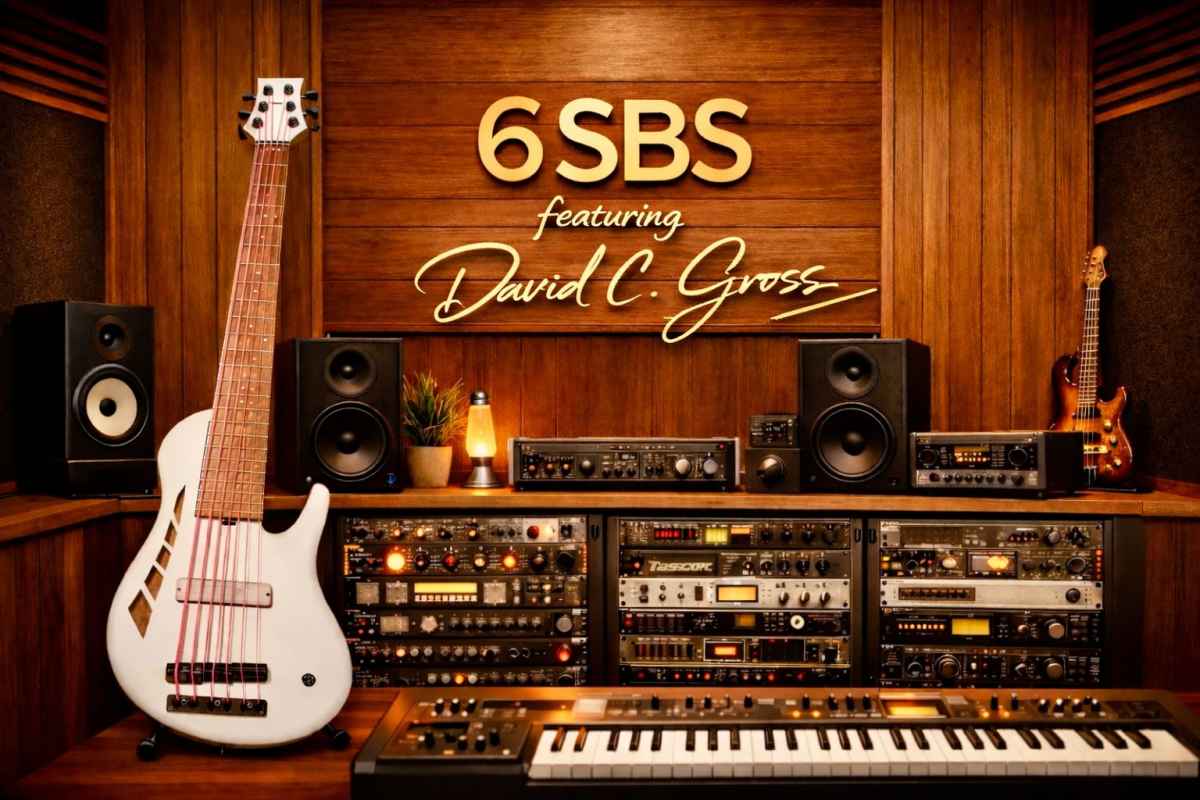
My Studio
Frequently Asked Questions
How do I teach?
Although my primary instrument has been the bass guitar, I have developed a particular passion for teaching adults the piano and electric keyboard. Adults often arrive with hesitation. Many believe they are “too old,” “not talented,” or “behind.” I have built much of my teaching approach around dismantling those myths.
Who do I teach?
Absolute beginners Adult returners who played years ago Songwriters who want harmonic fluency Bassists and guitarists who want to understand harmony Retirees finally giving themselves permission to learn Hobbyists who want to play popular songs confidently Musicians preparing for performance situations Skill level is less important than commitment. I teach students who want to understand what they are doing—not just memorize where to put their fingers.
MyTeaching Philosophy Pt 1
My Teaching Philosophy: Clarity Over Complexity My philosophy is built on one central belief: music is logical, and anyone can learn it if it is explained correctly. The piano, especially, is one of the most visually honest instruments ever designed. Everything is laid out in front of you. Scales are patterns. Chords are shapes. Harmony is movement. Once students understand how to see the keyboard, improvisation and composition stop feeling mysterious. I do not believe in overwhelming students.
My Teaching Philosophy Pt 2
I believe in sequencing information. You learn something. You apply it immediately. You use it in a song. You improvise with it. You internalize it. This immediate application principle is central to my teaching. If we learn a major scale, we improvise with it that day. If we learn how to build a triad, we harmonize a melody with it. If we study chord progressions, we transpose them and use them creatively. Information without application fades. Application builds ownership.
What Makes My Lessons Different
Many students come to me after trying other lessons where they learned to read notes but never understood music. Or they memorized songs but could not play anything outside those songs. My approach focuses on three pillars: Visualization, Functional Harmony, and Creative Integration. Motivation does not come from pressure. It comes from progress. When students see measurable improvement, motivation takes care of itself. I structure lessons so that every session ends with something tangible.