- 1.
- 2.
- 3.
- 4.The Musical Alphabet
- 5.Clefs
- 6.Bar Lines
- 7.Finger Numbers
- 8.Legato and Staccato
- 9.Finger Strengths
- 10.Repeat Signs
- 11.Bass Notes
- 12.Harmony
- 13.The Grand Stave
- 14.Forte and Piano
- 15.Time Bars
- 16.Dotted Half Note
- 17.Rests
- 18.Anacrusis
- 19.Slurs
- 20.Ties
Rhythm
Rhythm: An Introduction
Rhythm is the placement of sound in time.
Put simply, rhythm tells you how long you need to hold the note.
Here are the most common types of rhythm:
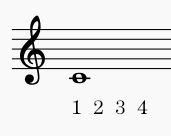
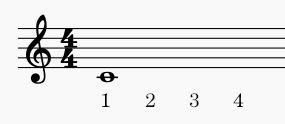
Whole Note (Semibreve): count 4 beats
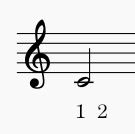
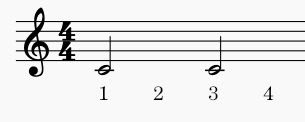
Half Note (Minim): count 2 beats
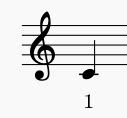
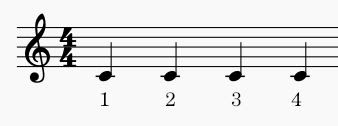
Quarter Note (Crotchet): count 1 beat
Musical Beat (or Pulse)
Music can have a regular beat, like a clock has a regular tick-tock sound.
When you practice, count each beat aloud.
This helps you structure the music and keep steady.
If you want to check you are keeping steady, use a metronome.
Can you clap the following rhythms counting aloud?
Whole Note (Semibreve)
Half Notes (Minims)
Quarter Notes (Crotchets)
Hierarchy of Rhythms
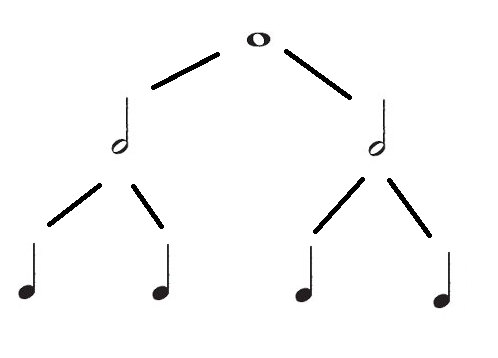
Each rhythm can be halved into two shorter rhythms.
For example, a whole note (semibreve) can be split into two half notes (minims).
A half note (minim) can be split into two quarter notes (crotchets).
There are four quarter notes (crotchets) in a whole note (semibreve).
Can you clap the following rhythms counting aloud and keeping a steady pulse?
Quick Quiz
How many beats is a whole note (semibreve) worth?
How many beats is a half note (minim) worth?
How many beats is a quarter note (crotchet) worth?
Which is the longest rhythm?
Which is the shortest rhythm?
True or False: there are 4 beats in a whole note (semibreve).
True or False: there are 2 beats in a quarter note (crotchet).
Time Signatures
Time Signatures: An Introduction
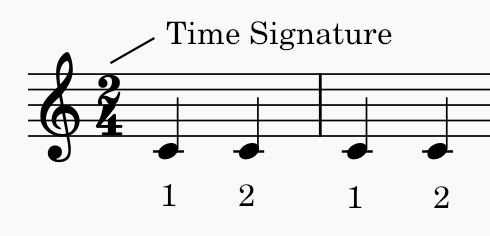
The time signature (or "meter") can be found at the start of a piece of music.
It shows the number of beats in a bar.
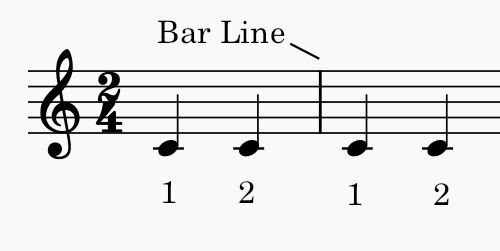
Music is divided into bars by bar lines.
Bar lines structure the music and make it easy to read.
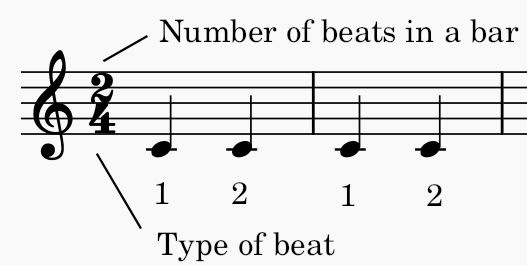
The upper number of the time signature shows the number of beats in a bar.
The lower number shows the type of beat.
In the example below, there are two quarter notes (crotchets) in a bar. This means you will count "1 2 1 2" when you play this piece, keeping a steady pulse.
Time Signature
Bar Line
Number and Type of Beats
Time Signatures: 2/4 and 4/4
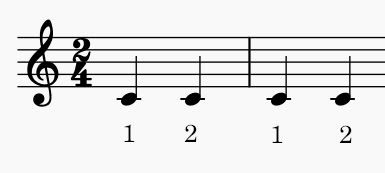
Let's look into two common time signatures: 2/4 and 4/4.
A time signature in 2/4 has two beats in a bar: so you count "1 2 1 2."
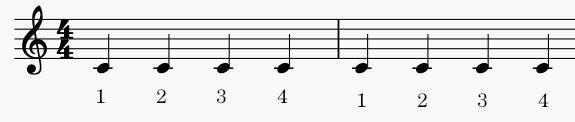
A time signature in 4/4 has four beats in a bar: so you count "1 2 3 4 1 2 3 4."
Can you clap the examples below counting aloud?
2/4
4/4
Rhythmic Emphasis
The first beat of the bar is the strongest — it has the most emphasis.
This natural emphasis gives the music structure since there is a regular pulse and sense of rhythm.
Can you clap the above exercises again, this time clapping loudly on the first beats and softly on the other beats?
Quick Quiz

How many beats are in a bar in the exercise above?
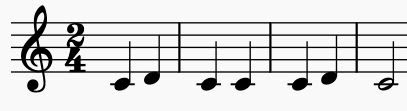
How many beats are in a bar in the exercise above?

How will the exercise above be counted?
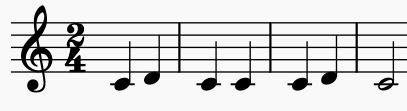
How will the exercise above be counted?
True or False: the upper number of a time signature shows the number of beats in a bar.
True or False: the upper number of a time signature shows the type of beat.
The Stave
The Stave
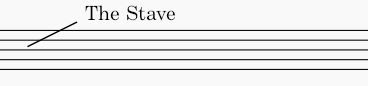
The stave is made up of lines and spaces.
Music notation can be written on the stave.
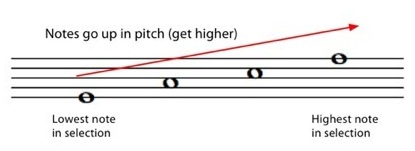
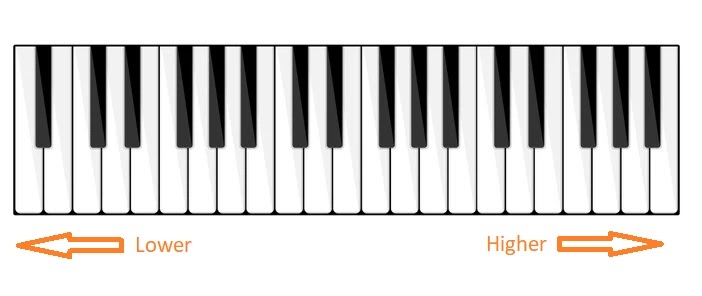
The higher the note appears on the stave, the higher the sound.
The lower the note appears, the lower the sound.
Lines and Spaces
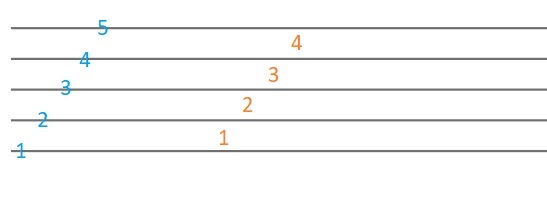
The stave is made up of:
5 lines
and
4 spaces.
Quick Quiz
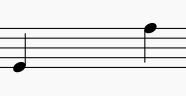
Which is the lower of the two notes above?
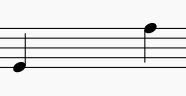
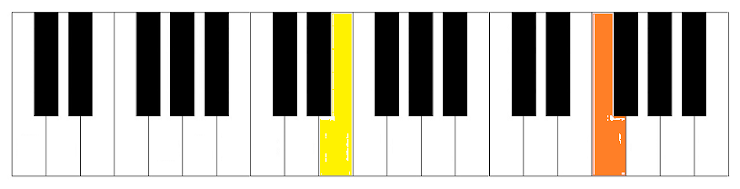
Which color is likely to show the second note in the example above?
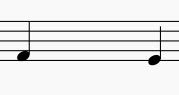
Which is the higher of the two notes above?
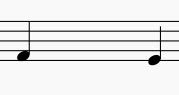
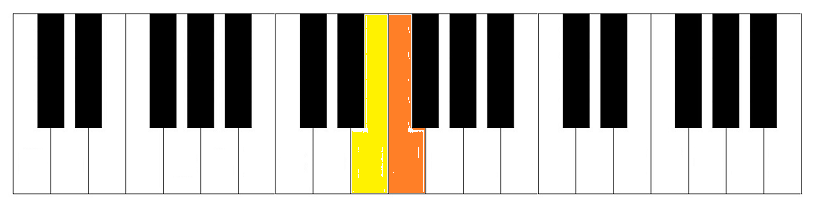
Which color is likely to be the first note in the example above?
True or False: the stave has 5 lines.
True or False: the stave has 5 spaces.
Continue with Music Theory Course
20 quizzes in this grade
$17one-time
Prep Performance Theory Assessment
A 20-minute assessment based on a real piece of music. Listen to the recording, follow the score, and answer questions drawn from what you've covered in the course — putting your theory knowledge to practical use, the way you would when learning a new piece. Complete it to earn your Prep Performance Theory certificate.
Unlock this grade to access the assessment